Introduction
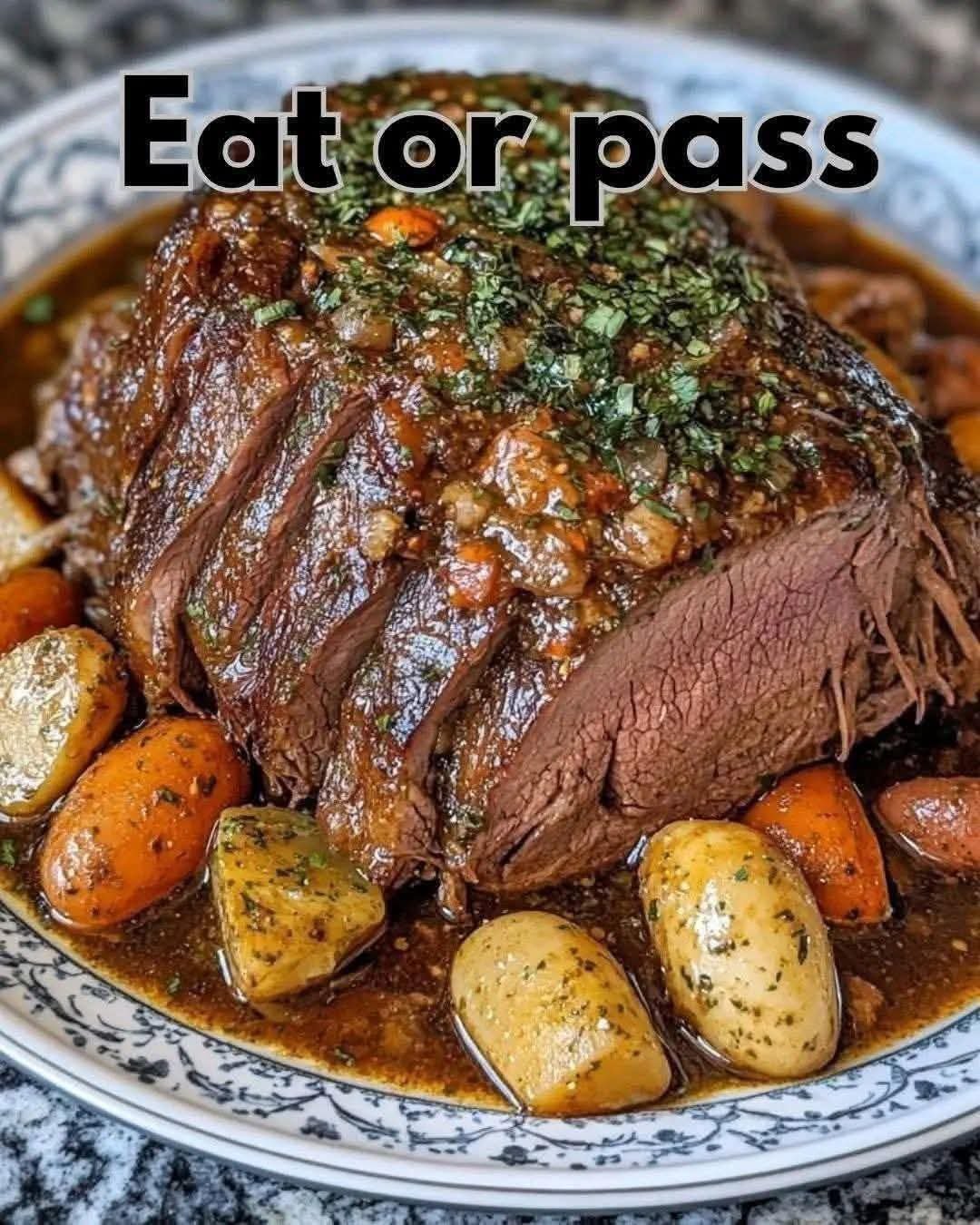
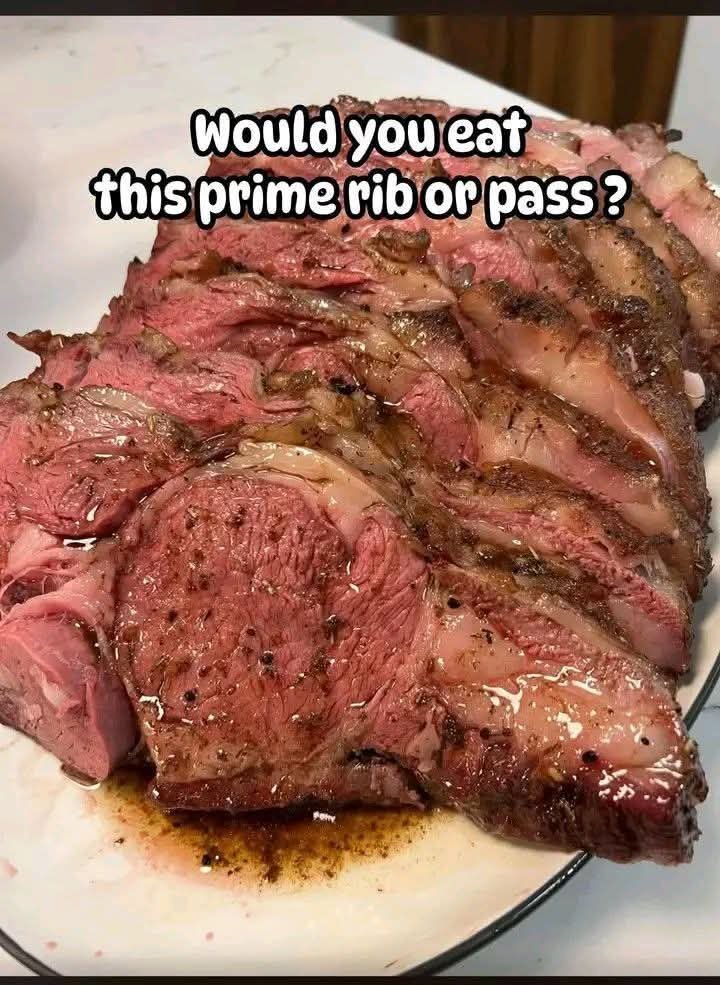
Roasted Prime Rib is the crown jewel of classic roasts—rich, tender, juicy, and deeply flavorful. Known for its impressive presentation and melt-in-your-mouth texture, this luxurious cut of beef is often reserved for holidays, celebrations, and special family gatherings. Despite its elegance, prime rib is surprisingly simple to prepare when handled with care and patience. This recipe walks you through every step to achieve a perfectly roasted prime rib with a flavorful crust and a succulent interior.
Ingredients
- 1 standing rib roast (prime rib), 4–6 pounds
- 2 tablespoons olive oil or softened butter
- 1 tablespoon kosher salt
- 2 teaspoons freshly ground black pepper
- 1 tablespoon fresh rosemary, finely chopped
- 1 tablespoon fresh thyme, finely chopped
- 6 cloves garlic, minced
- 1 teaspoon onion powder (optional)
- 1 teaspoon paprika (optional)
- 1 cup beef broth or red wine (for the pan)
Instructions
- Remove the prime rib from the refrigerator at least 2–3 hours before cooking to bring it to room temperature.
- Preheat the oven to 450°F (230°C).
- Pat the roast dry with paper towels.
- In a bowl, mix olive oil or butter with salt, pepper, garlic, rosemary, thyme, and spices.
- Rub the mixture generously all over the roast.
- Place the roast bone-side down on a rack in a roasting pan.
- Pour beef broth or wine into the bottom of the pan.
- Roast at 450°F (230°C) for 20 minutes to develop a crust.
- Reduce oven temperature to 325°F (165°C).
- Continue roasting until internal temperature reaches:
- 120–125°F (49–52°C) for rare
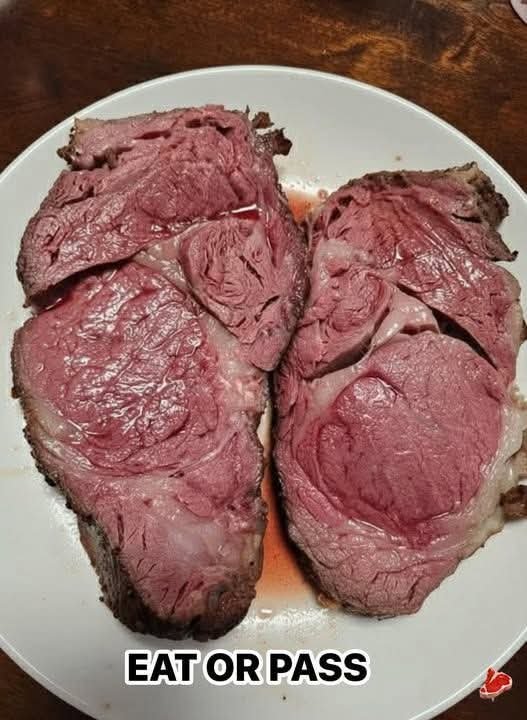
- 130–135°F (54–57°C) for medium-rare
- 140–145°F (60–63°C) for medium
- Remove from oven and tent loosely with foil.
- Rest for 20–30 minutes before carving.
Roasting Methods
Classic Oven Roast
The most traditional method, producing even cooking and a beautifully browned exterior.
Reverse Sear Method
Roast low and slow at 250°F (120°C) until nearly done, then finish with high heat for a perfect crust.
Herb-Crusted Prime Rib
Extra herbs and breadcrumbs can be added for a bold, aromatic crust.
History
Prime rib originates from European royal kitchens, where large beef roasts symbolized wealth and celebration. The cut became especially popular in England and later in American steakhouses during the 19th and 20th centuries. Its name comes not from “prime” grade alone, but from its position on the rib section—considered the finest part of the animal.
Benefits
- High-quality protein: Supports muscle and energy
- Rich in iron and zinc: Boosts immunity and circulation
- Perfect for gatherings: Feeds many people beautifully
- Deep flavor: Requires minimal seasoning
- Impressive presentation: Ideal for special occasions
Formation and Texture
When roasted correctly, prime rib develops a crisp, flavorful crust while remaining tender and juicy inside. The marbling of fat melts slowly during cooking, basting the meat from within and creating its signature buttery texture.
Why People Love Prime Rib
- Luxurious steakhouse flavor at home
- Juicy, tender slices with every cut
- Perfect balance of simplicity and elegance
- Creates unforgettable holiday memories
Serving Suggestions
- Serve with au jus from pan drippings
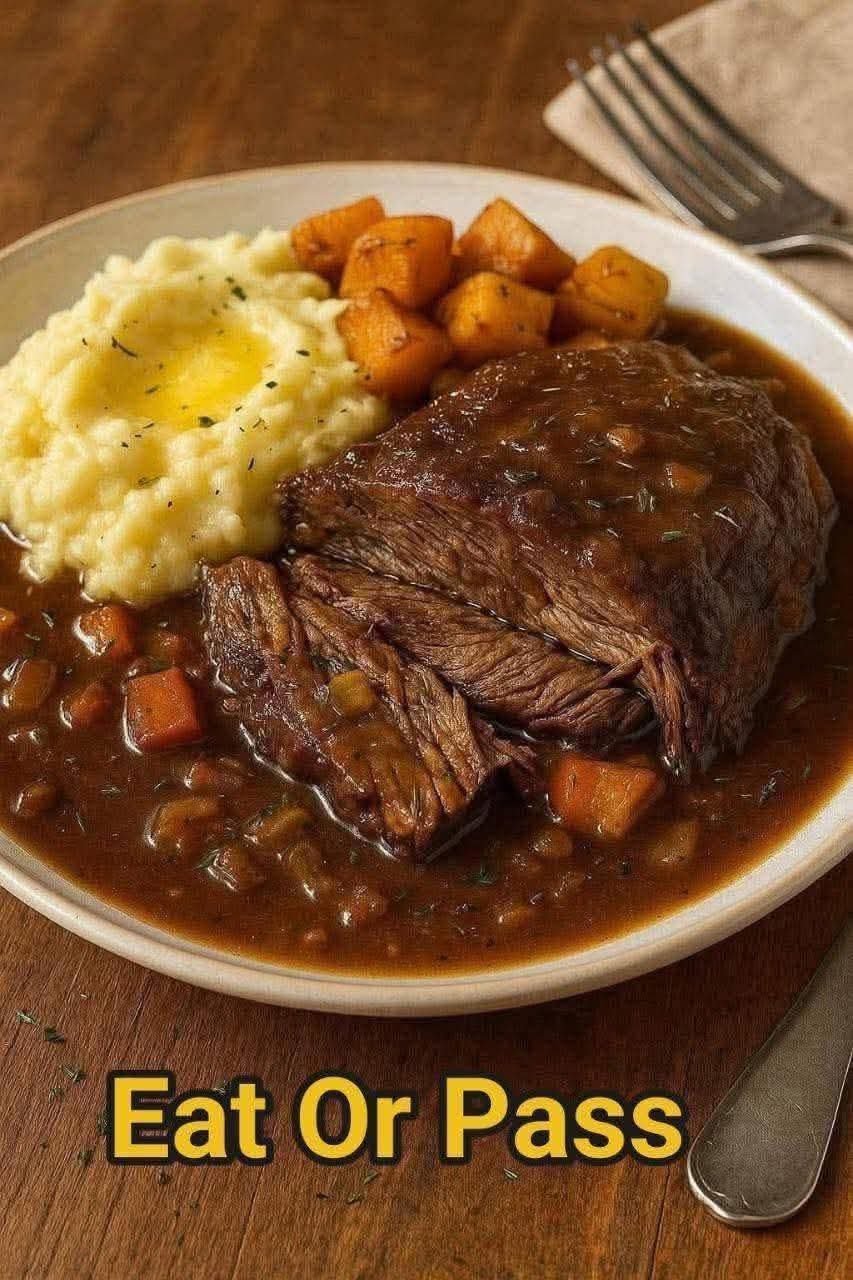
- Pair with mashed potatoes or roasted vegetables
- Add horseradish sauce or creamy mustard
- Enjoy with Yorkshire pudding or crusty bread
Conclusion
Roasted Prime Rib is more than just a meal—it’s an experience. From its rich history to its irresistible flavor, this classic roast delivers elegance, comfort, and satisfaction in every bite. With proper seasoning, temperature control, and resting time, anyone can master this timeless dish at home.
For the Lovers of Fine Comfort Food
If you love dishes that feel both indulgent and traditional, roasted prime rib is unmatched. It brings people together, turns meals into celebrations, and reminds us why simple, well-prepared food is always the most memorable.