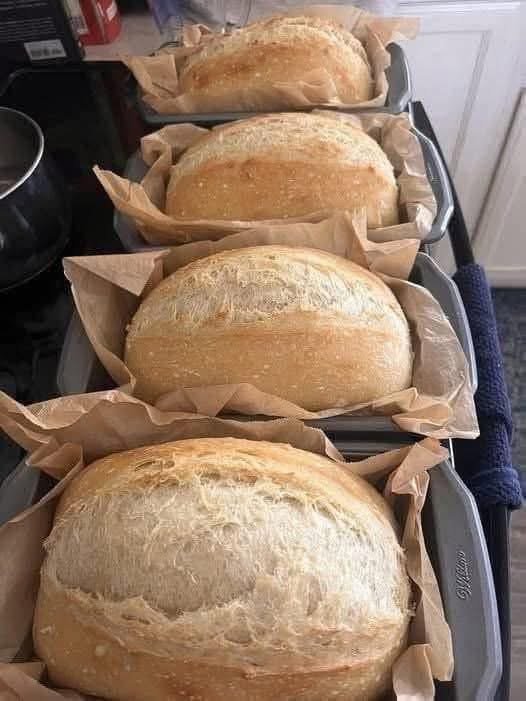
Seeded artisan bread dough represents the heart of traditional bread making—simple ingredients, slow fermentation, and natural techniques that create extraordinary flavor and texture. This bread is known for its crisp crust, chewy interior, and the rich, nutty taste provided by a variety of seeds. Unlike commercial bread, artisan bread celebrates imperfection and craftsmanship. Every loaf tells a story of time, care, and patience.
History of Seeded Artisan Bread
Bread is one of the oldest prepared foods in human history, dating back over 10,000 years. Early civilizations discovered that grains mixed with water and left to ferment created lighter, more digestible bread. Seeds were added for nutrition, flavor, and energy—especially in ancient Egyptian, Middle Eastern, and European cultures. Artisan bread, as we know it today, is a revival of these ancient methods, rejecting industrial shortcuts in favor of slow, mindful baking.
Ingredients
Basic Dough Ingredients
4 cups (500 g) bread flour or all-purpose flour
1½ cups (360 ml) lukewarm water
2 teaspoons salt
1 teaspoon instant or active dry yeast
Seed Mix
2 tablespoons sunflower seeds
2 tablespoons pumpkin seeds
1 tablespoon flax seeds
1 tablespoon sesame seeds
1 tablespoon chia seeds (optional)
Optional Ingredients
1 tablespoon olive oil
1 teaspoon honey or sugar
Formation of the Dough (How It Comes Together)
Seeded artisan dough is a high-hydration dough, meaning it contains more water than traditional bread dough. This hydration allows gluten to develop naturally through resting and folding rather than heavy kneading. Seeds are gently incorporated so they don’t tear the dough structure. Over time, fermentation creates air pockets that form the open crumb inside the loaf.
Methods Used in Artisan Bread Making
Autolyse – resting the dough to allow flour hydration
Stretch and Fold – strengthening gluten gently
Bulk Fermentation – slow rise for flavor development
Cold Fermentation (optional) – deeper taste and aroma
Steam Baking – for a crisp crust
Instructions (Step-by-Step)
1. Prepare the Seeds
Lightly toast all seeds in a dry pan until fragrant. Let them cool completely.
2. Mix the Dough
In a large bowl:
Combine flour and yeast
Add water and mix until rough dough forms
Add salt and seeds
Mix until no dry flour remains
The dough will be sticky—this is correct.
3. Rest (Autolyse)
Cover the bowl and let the dough rest for 30 minutes.
4. Stretch and Fold
Every 30 minutes for 2 hours:
Pull one side of the dough up
Fold it over itself
Turn the bowl and repeat four times
This replaces kneading.
5. Bulk Fermentation
Cover and let rise:
3–4 hours at room temperature OR
12–24 hours in the refrigerator for better flavor
6. Shaping
Gently shape the dough into a round or oval loaf without deflating it.
7. Final Proof
Let the shaped dough rest for 45–90 minutes until slightly puffy.
8. Baking
Preheat oven to 475°F (245°C)
Bake in a Dutch oven or on a stone
20 minutes covered, 15–20 minutes uncovered
Cool completely before slicing
Benefits of Seeded Artisan Bread
High in dietary fiber
Rich in healthy fats and plant protein
Easier to digest due to fermentation
No preservatives or additives
Long-lasting freshness
Who Loves Seeded Artisan Bread (Bread Lovers Section – 1)
Home bakers who enjoy traditional methods
Health-conscious eaters
Bread lovers who value flavor over speed
Families who enjoy homemade food
People who love rustic, bakery-style bread
Who Loves Seeded Artisan Bread (Bread Lovers Section – 2)
This bread is especially loved by:
Slow-food enthusiasts
Artisan bakers and culinary students
Those who appreciate crunchy crust and soft crumb
Anyone who enjoys the smell of fresh bread filling the home
Conclusion
Seeded artisan bread dough is more than a recipe—it is a celebration of tradition, nutrition, and craftsmanship. With simple ingredients and time, you can create a loaf that is wholesome, flavorful, and deeply satisfying. This bread connects us to ancient baking practices while fitting perfectly into modern, healthy lifestyles.
Once you bake it, you don’t just eat bread—you experience it.